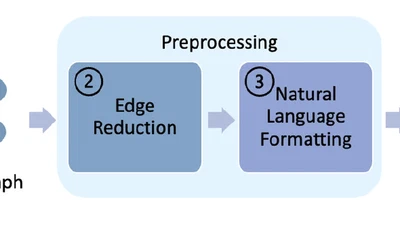
Computational Experiment Comprehension using Provenance Summarization
Scientists use complex multistep workflows to analyze data. However, reproducing computational experiments is often difficult as scientists’ software engineering practices are …
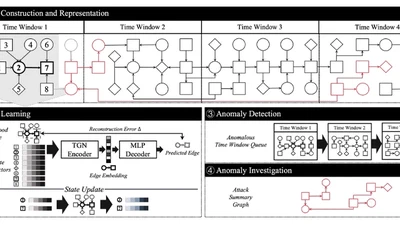
Provenance graphs are structured audit logs that describe the history of a system's execution. Recent studies have explored a variety of techniques to analyze provenance graphs for …
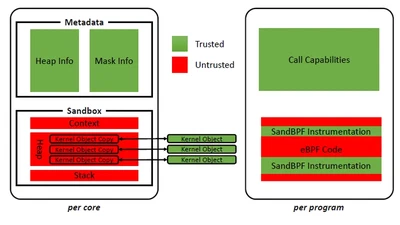
For safety reasons, unprivileged users today have only limited ways to customize the kernel through the extended Berkeley Packet Filter (eBPF). This is unfortunate, especially …
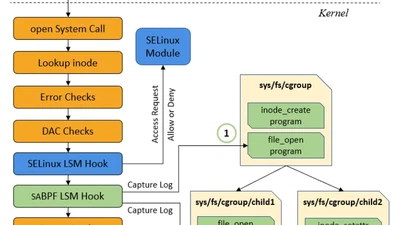
Despite the wide usage of container-based cloud computing, container auditing for security analysis relies mostly on built-in host audit systems, which often lack the ability to …
Many users implicitly assume that software can only be exploited after it is installed. However, recent supply-chain attacks demonstrate that application integrity must be ensured …
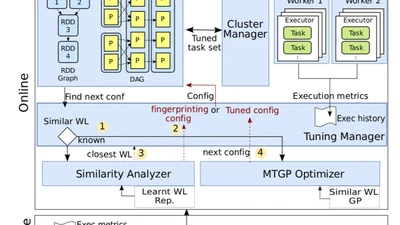
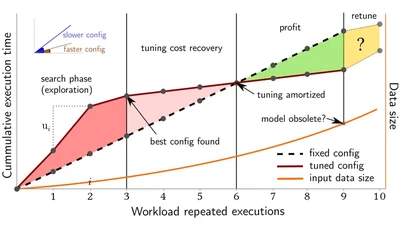
One of the key challenges for data analytics deployment is configuration tuning. The existing approaches for configuration tuning are expensive and overlook the dynamic …
Host-based anomaly detectors generate alarms by inspecting audit logs for suspicious behavior. Unfortunately, evaluating these anomaly detectors is hard. There are few …
This experimental study presents a number of issues that pose a challenge for practical configuration tuning and its deployment in data analytics frameworks. These issues include: …
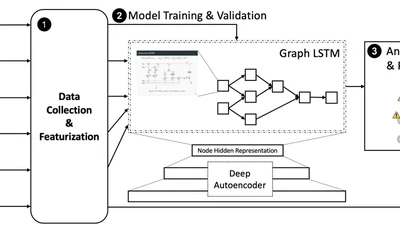
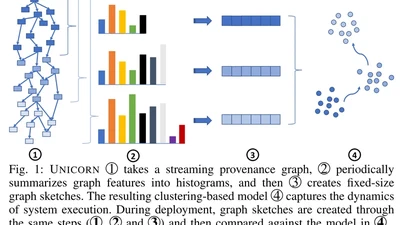
Advanced Persistent Threats (APTs) are difficult to detect due to their low-and-slow attack patterns and frequent use of zero-day exploits. We present UNICORN, an anomaly-based APT …
A cloud provider that can technically determine tenants' operations may be compelled to disclose such activities by law enforcement agencies (LEAs). The situation gets even more …